Professional food safety experts located in Brampton ensure restaurants, food distribution facilities, baking enterprises, warehouses, and mobile food units in compliance. They disinfect frequently handled areas, food-contact areas, equipment, floors, drains, restrooms, and food handling areas using approved sanitizers, at proper strength, and using documented contact periods.
Main Points
- Brampton sanitation experts assist restaurants, grocery departments, commissaries, warehouses, bakeries, schools, mobile vendors, and allergen-sensitive operations.
- They treat frequently contacted areas, food-contact equipment, kitchens, floors, drains, restrooms, and storage areas using area-specific procedures to reduce cross-contamination.
- Logging of completion through samples, assessments, and corrective-action records ensures qualified contractors have validated approved sanitizer dilution, alignment, and contact time.
- Hazard, throughput, format changes, releases, and guidelines ought to guide maintenance plans, with everyday, regular, and annual operations distributed by section.
- Prioritize providers exhibiting HACCP, health regulatory expertise, safety training training, coverage, endorsements, color-coded implements, and inspection-ready sanitation documentation.
What Brampton Venues Require Food Safety Cleaning?
Food safety cleaning is necessary for any Brampton facility that processes, stores, prepares, packages, or serves food. Apply it to your establishment if it meets the criteria for health oversight, food standards, or HACCP systems. This includes restaurants, cafeterias, commissaries, grocery food departments, butcher shops, seafood counters, convenience stores, and institutional kitchens.
You also need compliant food safety cleaning in warehouses, food manufacturing plants, cold storage sites, retail bakeries, school nutrition programs, banquet halls, and meal delivery hubs. Mobile and seasonal operations count too, including food trucks, event vendors, and temporary booths. If your staff prepare raw materials, portion finished foods, warm up meals, or maintain allergen storage, your facility needs written cleaning standards. In Brampton, food safety isn't discretionary; it's part of lawful, functional, and customer safety adherence.
What Services Do Brampton Cleaning Experts Provide?
You need professional cleaners who sanitize high-touch surfaces, kitchens, floor surfaces, and bathrooms to comply with food safety and health regulations. They focus on these spaces because they present the highest risk for contamination spread, slip hazards, and sanitation breaches.
When you understand what they clean, you can verify that your facility's cleaning scope meets operational and regulatory requirements.
Sterilizing High-Touch Surfaces
Addressing high-touch surface sanitizing is essential for Brampton cleaning teams because contact points can transmit bacteria, viruses, and food residue throughout a establishment. You should establish a documented schedule for cleaning entry points, contact surfaces, control panels, railings, shared devices, registers, and cold storage handles. Using touchpoint mapping, teams determine every regularly used area and establish cleaning timing
validate that cleaning has proper
Cooking Zones, Walking Surfaces, and Restroom Environments
Professional cleaners in Brampton concentrate on kitchens, floors, and restrooms given that each location involves specific contamination control, slip-and-fall, and public health requirements. In industrial kitchens, you need degreasing on cook lines, equipment exteriors, drains, prep surfaces, and splash zones to reduce contamination and pest pressure.
Floor care that is documented should equally be anticipated. Technicians clean and remove buildup from grout, tile, and vinyl flooring, then apply appropriate drying controls so you can reduce slip incidents and meet regulatory standards. They also handle entry points where dampness and dirt enter the building.
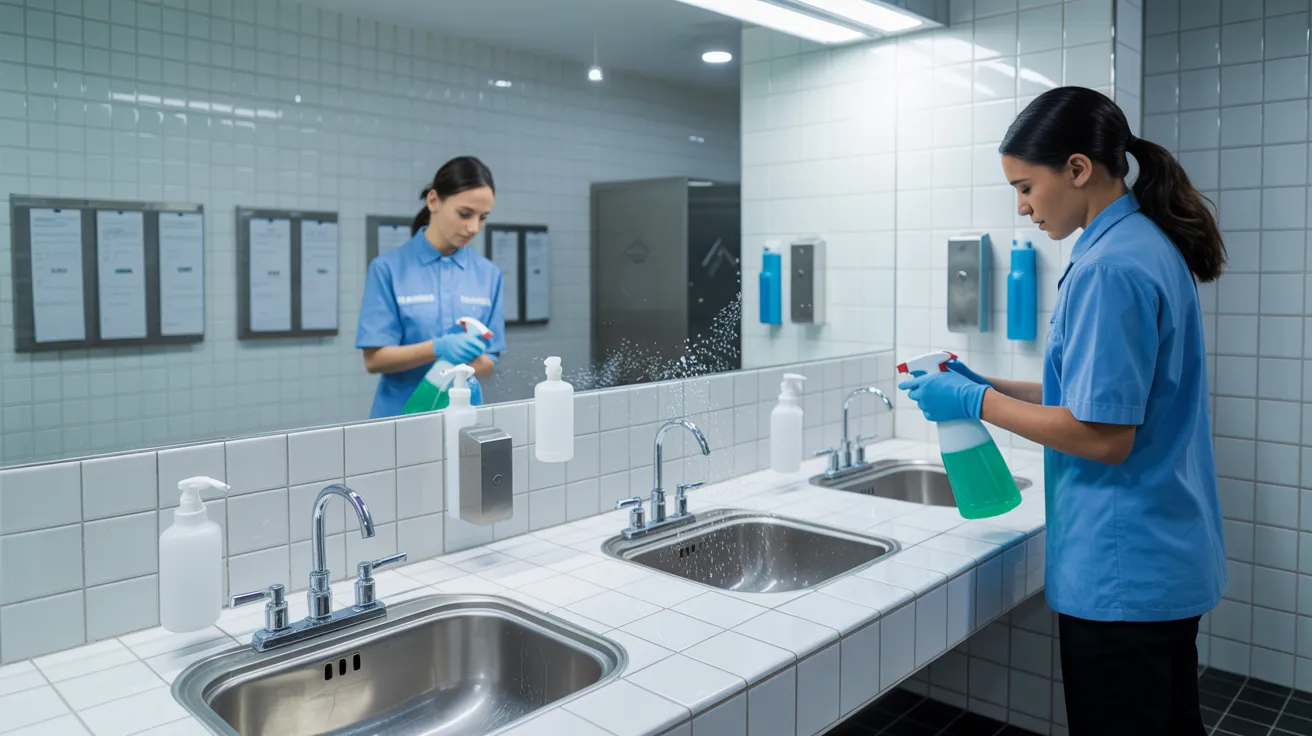
In restrooms, cleaners disinfect touchpoints, fixtures, partitions, dispensers, and waste containers then refill supplies and eliminate odor. They also maintain restaurant cleaning supply rooms where product storage, sink cleanliness, and drain systems impact daily sanitation standards and worker protection.
The Importance of Food Safety Cleaning in Brampton
Brampton facilities demand food-safe cleaning standards to meet compliance obligations and pass inspections. You also minimize cross-contamination by cleaning and sanitizing food-contact surfaces, equipment, and high-touch areas correctly. Most importantly, you help protect public health by lowering the risk of foodborne illness in your facility.
Sanitary Standards Adherence
Food businesses in Brampton face stringent health requirements, making food safety cleaning crucial to meeting health code requirements, protecting patrons, and preventing enforcement action. You must maintain clean food preparation areas, documented cleaning schedules, proper chemical use, and documented employee protocols that align with municipal and provincial inspection expectations.
During regulatory assessment of your operation, regulators assess whether your cleaning procedures facilitates safe storage, tool sterilization, refuse management, and restroom sanitation. Strong cleaning records enable you to show due diligence during regulatory audits and show that your practices are reliable, repeatable, and monitored.
Cross-Contamination Prevention
Maintaining regulatory compliance copyrights on your capacity to prevent cross-contamination during daily food handling and cleaning. You must separate raw ingredients from ready-to-eat foods, sterilize work zones between assignments, and position cleaning agents away from food surfaces. Clear procedures reduce transfer risks and reinforce steady regulatory adherence.
You should implement allergen segregation to keep priority allergens from contacting common work areas, storage bins, or tools. Use dedicated cutting boards, color-coded tools, and careful equipment identification so staff don't mix items throughout cooking or serving. Require handwashing after handling uncooked proteins, shellfish, egg items, or allergen products. Change cleaning rags frequently, and check disinfectant potency using test kits. When staff members receive training on these procedures every shift, you build a more hygienic, secure workplace that satisfies Brampton's safety standards daily.
Community Health Protection
When sanitation efforts deteriorate, you don't only face inspection setbacks—you raise the likelihood of foodborne illness striking customers, staff, and the larger Brampton community. You also weaken your role in protecting public health, especially in high-traffic food premises where pathogens travel quickly through surfaces, equipment, and touchpoints.
You must establish cleaning procedures that remove contaminants, disinfect correctly, and confirm effectiveness. This requires following exposure times, utilizing approved disinfectants, logging schedules, and instructing staff to meet regulatory standards. These controls promote disease prevention by decreasing microbes before reaching food or hands. Across Brampton, strong cleaning safeguards vulnerable groups, limits outbreak risk, and demonstrates accountability. When you maintain proper protocols, you go beyond requirements—you substantially lower hazards and enable safer food service throughout the area.
How Can Cleaning Practices Ensure Food Safety Compliance?
Embracing thorough cleaning protocols underpins food safety compliance by reducing contamination risks, limiting pathogen development, and ensuring your facility complies with sanitation requirements under HACCP-based programs and public health regulations. You verify that contact surfaces remain visibly clean and microbiologically controlled, enabling documented preventive controls and inspection readiness.
Rigorous cleaning standards also improve allergen prevention by eliminating residues that can provoke undeclared allergen exposure.
When Should You Schedule Commercial Cleaning?
spill incidents, and following-maintenance work
closures, weather-related soil accumulation, or pest-control pressure timeframes.
What Should You Look For in Brampton Cleaning Experts?
Screen providers initially by their food-safe sanitation requirements—not budget alone. You need to confirm that every company meets CFIA, public health, and HACCP-aligned expectations for your operation. Demand proof of insurance, WHMIS compliance, training records, and management systems. Evaluate technician understanding of cross-contamination risks, chemical safety, and documented sanitation practices.
You should further examine service consistency and accountability. Request testimonials from Brampton food businesses, then review response times, corrective action plans, and communication standards. Validate the company supports supplier audits and can present inspection-ready documentation to authorities or third parties. Confirm equipment is maintained, color-coded implements are applied correctly, and site-specific hazards are identified. A experienced service protects compliance, product quality, and your brand reputation.
What's included in a sanitation cleaning strategy?
Develop a written plan that clarifies every sanitation task, standard, and responsibility prior to production start. You should outline cleaning schedules, authorized chemicals, concentration levels, contact duration, implements, and validation techniques for each location, surface, and apparatus. Incorporate pre-operational inspections, corrective actions, and employee training requirements.
Your strategy should also address cross-contamination controls, waste handling, pest-prevention measures, and documented schedules for rest areas, drains, flooring, and food-contact surfaces. Describe how you'll separate raw and ready-to-eat processes, facilitate ingredient tracking, and maintain accurate allergen labeling through validated cleaning between product changes. You should set accountability, keep signed records, and assess results against regulatory standards, HACCP controls, and customer requirements. When gaps appear, update procedures immediately and retrain staff.
Commonly Requested Inquiries
Are sanitation providers available for overnight shifts in Brampton properties?
Yes, you can set up cleaning services to handle overnight shifts in Brampton facilities. You'll manage overnight sanitation around production schedules, access requirements, and personnel requirements. Providers generally establish nightshift logistics to minimize interruption, copyright compliance, and document finished tasks. You should verify response times, oversight, access procedures, and waste management before service starts.
Will sanitation professionals address emergency spills?
Yes, you can expect many Brampton sanitation professionals to provide emergency spill response solutions. They handle hazard containment, assess risks, isolate affected areas, and start rapid decontamination to reduce exposure and business interruption. You should verify arrival timeframes, training certifications, PPE protocols, and disposal procedures. If your facility must meet health or food safety regulations, select a service that records events, maintains regulatory procedures, and supports audit readiness.
Are environmentally safe disinfectants appropriate for food-handling equipment?
Absolutely, green disinfectants remain safe for surfaces contacting food when you choose items marked food-safe and meeting regulatory standards. You must verify exposure duration, dilution rates, and rinse protocols in advance of use. Plant based formulas lower harsh chemical exposure, though you still need demonstration of efficacy against target microorganisms. For maintaining residue free surfaces, stick to manufacturer directions precisely and verify your disinfectant satisfies food industry regulations.
Do cleaning schedules permit seasonal shifts?
Certainly, maintenance plans accommodate seasonal production changes effectively. Revise frequencies, personnel, sanitizers, and verification steps to align with production rhythms while sustaining regulatory compliance. Limit production downtime through scheduling cleaning alongside changeovers, high demand periods, and operational patterns. Concurrently update written procedures, instruction programs, and environmental testing to capture temporary risks, additional allergens, or increased soil loads. Ongoing evaluations keep your strategy effective.
Do professional cleaning services train employees on hygiene standards?
Absolutely, commercial cleaners frequently provide staff training on hygiene standards. Your team receives instruction on correct chemical handling, contact times, contamination avoidance, equipment disassembly, and paperwork. They typically align instruction with HACCP, GMP, and CFIA or local public health standards. Many conduct sanitation audits to ensure adherence, pinpoint weaknesses, and strengthen corrective measures. This helps you maintain uniform standards, pass inspections, and reduce food safety risks routinely.
Conclusion
When you partner with Brampton commercial cleaning and food safety specialists, you aren't merely cleaning—you maintain your facility audit-prepared and your standards compliant. From kitchens to processing floors, every polished surface and find out about this well-kept corner helps reduce pest intrusion and avoid expensive problems. By arranging cleanings at the proper frequency and following a clear cleaning plan, you protect employees, customers, and your brand image. In a tightly regulated environment, clean spaces are essential—they're fundamental to proper operations.